
The staffing industry is changing — and it’s not temporary.
Labor shortages continue.
Client expectations are rising.
And traditional staffing models are no longer enough to support consistent performance.
A new model is emerging.
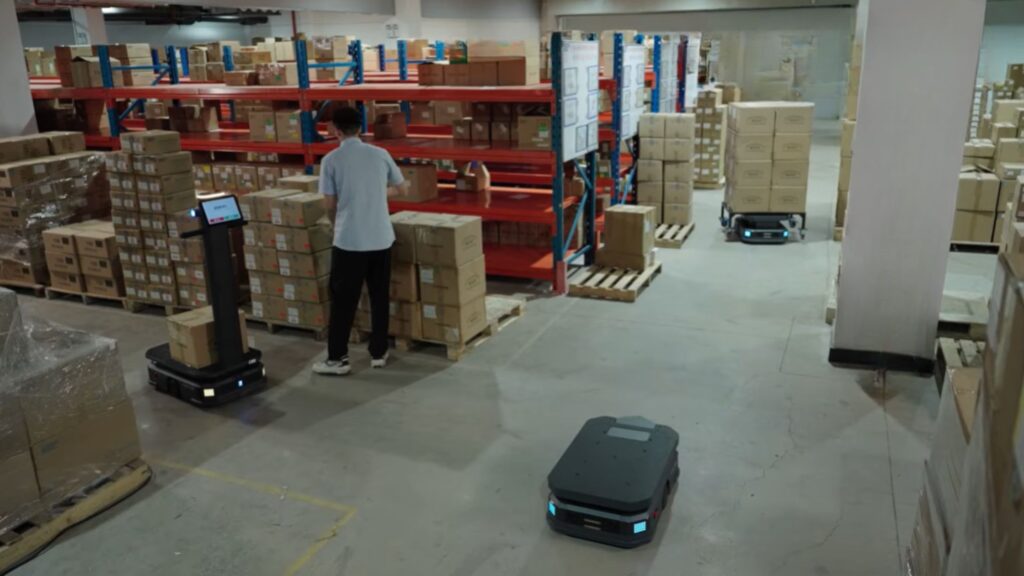
One that combines workforce strategy, process discipline, and automation (including robotics) to deliver better outcomes.
What Is Changing in the Staffing Industry?
For years, staffing was driven by volume:
- Fill roles quickly
- Scale headcount
- Keep up with demand
Today, that model is shifting.
Businesses are no longer asking: “How fast can you fill roles?”
They’re asking: “How do we maintain output and performance over time?”
That shift is being driven by:
- Ongoing labor shortages
- Increased cost pressure
- Demand for operational consistency
- The need for scalable workforce solutions
Why Traditional Staffing Models Are Breaking Down
Traditional staffing models rely heavily on:
- Continuous hiring
- High turnover tolerance
- Short-term placement strategies
This creates challenges:
- Inconsistent productivity
- Ongoing retraining
- Operational instability
- Leadership time spent managing issues
As a result, companies are looking for more reliable workforce systems, not just more people.
A New Approach: Augmenting Labor with Automation
We’ve pioneered a new path in staffing by augmenting labor with automation — including robotics, through our sister company Impact Robotics.
This approach is not about replacing workers. It’s about improving how work gets done.
When applied correctly, automation can:
- Reduce repetitive, low-value tasks
- Improve consistency in output
- Support workforce retention
- Stabilize operations
This creates an environment where:
- Employees focus on higher-value work
- Teams perform more consistently
- Businesses operate with less disruption
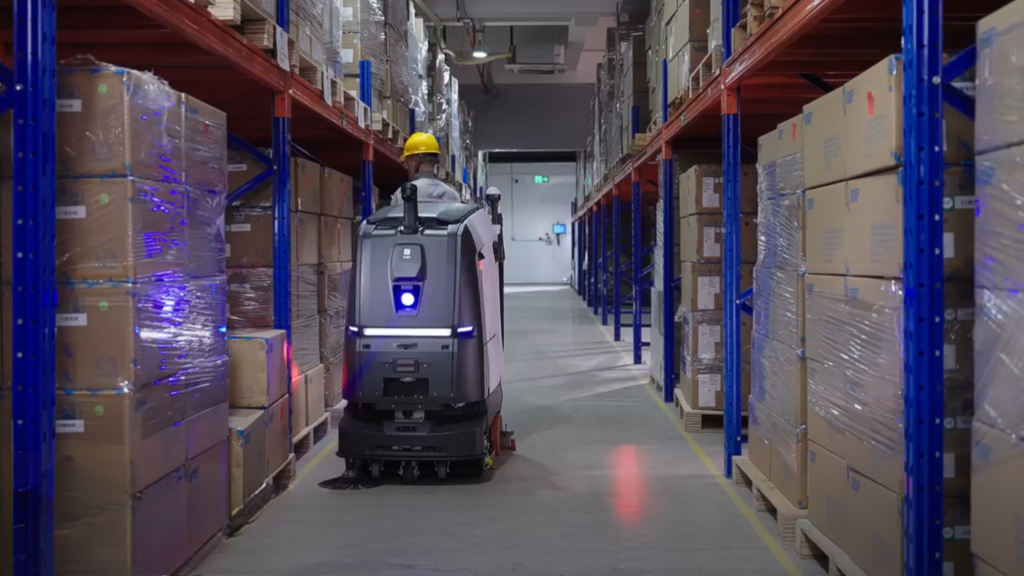
How Workforce + Robotics Work Together
The most effective workforce strategies align three core elements:
✔ People — the workforce performing the work
✔ Process — the structure that supports performance
✔ Innovation — tools like automation and robotics
When these are aligned:
- Productivity increases
- Turnover decreases
- Operations become more predictable
When they are not:
- Output becomes inconsistent
- Teams become reactive
- Costs increase over time
What Leaders Need to Do Next
The leaders who succeed in the next phase of staffing will not resist change. They will:
- Move beyond headcount-focused models
- Focus on building workforce systems
- Introduce automation where it improves outcomes
- Prioritize consistency over speed
This shift creates a major opportunity — for both businesses and staffing professionals.
What This Means for Staffing Ownership
This evolution is also changing what it means to operate in staffing. It’s no longer just about filling jobs. It’s about:
- Solving workforce challenges
- Delivering measurable outcomes
- Building scalable business models
For leaders ready to step into ownership, this creates a new path forward—one built around systems, not just placements.
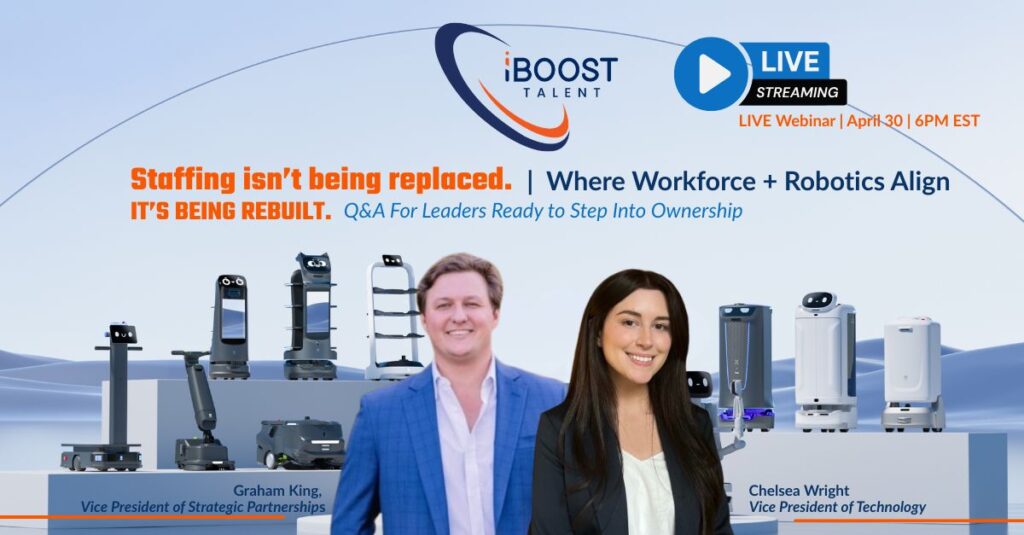
Live Streaming Webinar: The Future of Staffing
We’re breaking all of this down in a live session:
The Future of Staffing: Where Workforce + Robotics Align
This is a live Q&A for leaders who want to understand:
- How staffing is evolving
- Where automation fits
- What it takes to build a modern staffing business
If you’ve been thinking about what’s next — this is where the conversation starts.
👉 Join the live stream | 👉 Or watch privately
Staffing is being rebuilt, right here at iBoost Talent.
The organizations — and individuals — that adapt will be the ones who align workforce, process, and automation to create systems that perform.
Are you ready to think bigger about your role in it?