

Building a legacy business requires more than short-term momentum. It requires durability — the ability to operate through economic cycles, adapt to workforce shifts, and remain relevant as markets change. In staffing, that durability is built through long-standing relationships, regional expertise, and a business model tied directly to how work gets done.
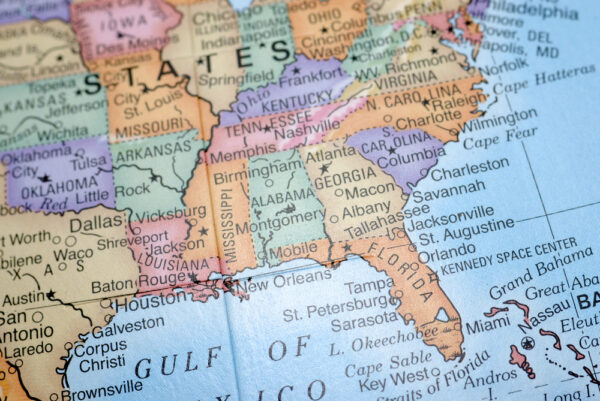
Across Florida, Texas, and the Carolinas, staffing firms are increasingly being built with this long-term perspective in mind. These regions combine population growth, sustained business investment, and evolving labor needs, creating conditions where staffing businesses can grow steadily and hold value over time.
What defines staffing as a legacy-oriented business
Legacy businesses share a common trait: they compound value instead of chasing volume. Staffing fits this profile because it relies on repeat engagement rather than one-time transactions. Once a staffing firm understands a client’s operations, workforce patterns, and risk tolerance, the relationship deepens. Over time, that familiarity reduces friction, improves retention, and stabilizes revenue.
Staffing also remains relevant across generations. While tools and hiring methods evolve, the fundamental need for labor does not. Businesses will continue to require skilled workers, flexible staffing options, and guidance through workforce disruptions. This consistency allows staffing firms to evolve without losing relevance, a key attribute of any business built to last.
Why geography shapes long-term staffing value
A staffing business draws strength from the market it serves. Population movement, industry concentration, and workforce availability all influence how a firm grows and sustains itself. The Sun Belt states stand out because they combine job creation with ongoing labor complexity.
In this region, staffing businesses often operate at the intersection of growth and constraint. Employers continue to expand operations while navigating talent shortages, regulatory requirements, and changing worker expectations. At the same time, sustained population growth across the Sun Belt steadily replenishes the labor pool, creating a broader employee base that fuels long-term staffing demand. This dynamic drives the need for experienced staffing partners who can translate regional workforce growth into reliable, scalable hiring outcomes rather than relying on transactional placement services.
Florida: Workforce fluidity driven by population growth
Florida continues to attract new residents, retirees, and businesses. This population growth fuels consistent demand across healthcare, logistics, hospitality, and light industrial sectors. Many of these industries rely on flexible labor models, seasonal staffing, and rapid hiring cycles.
Staffing businesses operating in Florida often become integral to how organizations manage workforce fluctuations. Over time, these firms develop deep insight into local labor pools, wage dynamics, and compliance considerations. This knowledge becomes an asset that strengthens client relationships and increases the long-term value of the business.
Texas: Scale, industry diversity, and expansion potential
Texas offers staffing entrepreneurs a different growth trajectory. Its economic diversity supports specialization across manufacturing, energy, logistics, technology, and professional services. The size of the state allows staffing businesses to expand regionally while maintaining operational cohesion.
Many Texas-based staffing firms grow beyond a single location, developing leadership teams and standardized processes that support long-term expansion. This structure supports succession planning, ownership transitions, and multi-unit development — key considerations for entrepreneurs focused on building enterprises that outlast their direct involvement.

The Carolinas: Stability rooted in community and manufacturing
The Carolinas present a balanced environment for staffing businesses built on trust and consistency. Alongside continued manufacturing investment and distribution growth, the region has developed strong technology-driven sectors in healthcare, pharmaceuticals, artificial intelligence, and software. Supported by major research institutions and a robust education system, these industries generate steady, specialized workforce demand without the volatility typically seen in larger metro markets.
Staffing firms in this region often succeed by embedding themselves in the local economy. Relationships with schools, trade programs, and regional employers support candidate pipelines and higher retention. Over time, these businesses develop reputations that extend beyond service delivery, reinforcing long-term stability and community trust.
How franchise ownership supports legacy-building
Franchise-owned staffing models accelerate the legacy-building process by reducing operational drag. Technology platforms, payroll infrastructure, compliance systems, and recruiting tools provide a foundation that allows owners to focus on leadership and growth rather than administrative complexity.
This structure also supports continuity. A staffing business built on standardized systems and documented processes is easier to scale, transfer, or transition. For owners thinking beyond the early growth phase, this operational consistency plays a critical role in preserving value.
From revenue to community impact
Staffing businesses influence local economies directly. They create access to employment, support business continuity, and stabilize workforce pipelines. Over time, staffing owners often become connectors, linking employers, educators, and job seekers in ways that strengthen regional labor markets.
This role fosters influence and trust. Staffing businesses that invest in workforce development, mentorship, and community engagement often see stronger client loyalty and referral networks. These relationships compound over time, reinforcing financial performance and long-term relevance.

Building a business designed to endure
A legacy business grows through intention, not acceleration alone. Staffing provides a platform where relationships, adaptability, and regional insight translate into long-term value. In Florida, Texas, and the Carolinas, staffing entrepreneurs are building businesses shaped by their markets and strengthened by sustained demand.
For those seeking a business designed to endure, staffing offers a path grounded in people, place, and persistence. With the right structure and long-term mindset, it becomes a legacy business — one that holds value well beyond its early years.